Tilla Jogian: The Sacred Summit of Punjab’s Ancient Highlands
Rising majestically from the rolling hills of the Pothohar Plateau, Tilla Jogian stands as both a geographical marvel and a spiritual beacon that has drawn pilgrims, adventurers, and seekers for over two millennia. At 975 meters above sea level, this sacred peak represents the highest point of the Pothohar region, offering intrepid travelers not just breathtaking panoramic views, but a journey through layers of history that span from ancient Hindu traditions to Sikh heritage, all set against the backdrop of Pakistan’s most accessible high-altitude trekking experience.
Located approximately 25 kilometers southeast of Jhelum city, Tilla Jogian translates to “Hill of the Jogis” – a name that speaks to its profound spiritual significance as a center for Hindu and later Sikh meditation and worship. This remarkable destination combines the thrill of mountain adventure with the solemnity of ancient pilgrimage sites, making it an unmissable experience for anyone exploring the cultural and natural treasures of the Jhelum district.
Geography and Elevation: Crown of the Pothohar
Tilla Jogian’s impressive elevation of 975 meters makes it the undisputed monarch of the Pothohar Plateau, a distinction that grants visitors unparalleled views across northern Punjab. The peak sits at the coordinates 32°28’N 73°28’E, positioned strategically to offer commanding vistas in every direction. From its summit, the landscape unfolds like an ancient map, revealing the intricate network of hills, valleys, and settlements that characterize this historically significant region.
The geological composition of Tilla Jogian reflects the broader Pothohar formation, with sedimentary rocks dating back millions of years. The hill’s structure consists primarily of sandstone and conglomerate layers, creating the distinctive terraced appearance that makes the ascent both challenging and visually striking. The surrounding terrain features a complex network of subsidiary peaks and ridges, with deep ravines carved by seasonal streams that flow toward the Jhelum River system.
The mountain’s position within the Pothohar Plateau places it at the intersection of several important geographical features. To the north, the terrain gradually rises toward the foothills of the Himalayas, while southward, the land opens into the fertile plains of central Punjab. This unique positioning has made Tilla Jogian a natural watchtower throughout history, explaining its strategic importance to various civilizations and military campaigns.
Spiritual Significance: A Sacred Legacy Spanning Millennia
The spiritual importance of Tilla Jogian cannot be overstated. Archaeological evidence suggests that this sacred site has been a center of religious activity since at least the 1st century BC, when the first monastic complex was established on its slopes. The name itself derives from “Jogi,” referring to the Hindu ascetics who traditionally made their homes in caves and simple structures scattered across the mountain.
The original Hindu temple complex represents one of the oldest continuously used religious sites in the region. Built during the Gandhara period, these structures showcase the architectural fusion of Greek, Persian, and Indian influences that characterized the era. The main temple, dedicated to Lord Shiva, sits at the summit and features intricate stone carvings that have weathered centuries of monsoons and invasions while retaining their spiritual power.
The transition from Hindu to Sikh significance occurred during the 15th and 16th centuries, as Sikh gurus began visiting the site for meditation and teaching. The most significant of these visits was by Guru Nanak, the founder of Sikhism, who is said to have spent considerable time in contemplation at Tilla Jogian. This connection transformed the site into an important pilgrimage destination for Sikhs, who built additional structures and established regular worship practices that continued until Partition in 1947.
The monastic complex at its peak included over a dozen temples, meditation caves, and residential quarters for visiting pilgrims. The architecture reflects the evolution of religious thought and practice, with Hindu structures featuring elaborate sculptural work and Sikh additions emphasizing simpler, more functional designs focused on community gathering and prayer.
The Trek Experience: Ascending the Sacred Peak
The journey to Tilla Jogian’s summit begins in the village of Khukha, accessible by road from Jhelum city. The trek itself covers approximately 8 kilometers of varied terrain, with an elevation gain of about 400 meters from the starting point. This makes it an ideal intermediate-level hike, challenging enough to be rewarding but accessible to reasonably fit individuals without extensive mountaineering experience.
The trail follows ancient pilgrimage paths that have been worn smooth by centuries of devotees’ footsteps. The initial section winds through cultivated fields and small settlements, offering glimpses into rural Punjab life that has changed little over generations. Farmers tend terraced plots of wheat and barley, while children wave from doorways of traditional mud-brick houses.
As the path begins its serious ascent, the landscape transforms dramatically. The cultivated fields give way to scrub forest and rocky outcroppings, with the trail becoming steeper and more demanding. The route passes several smaller shrines and meditation caves, each marking significant points in the spiritual geography of the mountain. These stops provide natural rest points and opportunities to appreciate the increasing elevation and expanding views.
The final approach to the summit requires careful navigation over loose stone and steep sections that demand sure footing and steady nerves. However, the trail is well-defined and generally safe for experienced hikers. The last kilometer offers the most dramatic scenery, with sheer drops on one side and towering rock faces on the other, creating a sense of isolation and grandeur that enhances the spiritual atmosphere.
Essential Gear and Preparation
Successful completion of the Tilla Jogian trek requires proper preparation and equipment. Sturdy hiking boots with good ankle support are essential, as the rocky terrain can be treacherous, especially during or after rain. A daypack should contain at least 2-3 liters of water per person, as reliable water sources are scarce along the route.
Weather-appropriate clothing is crucial, with layers recommended to accommodate temperature variations between the base and summit. Even during summer months, the peak can be significantly cooler than the surrounding lowlands, especially in early morning or late afternoon. A light rain jacket is advisable regardless of the season, as weather patterns can change rapidly in the mountains.
Navigation tools, while not strictly necessary given the well-marked trail, can provide peace of mind. A basic first aid kit, sunscreen, and hat are standard requirements. For photography enthusiasts, the changing light conditions and varied terrain offer exceptional opportunities, so extra batteries and memory cards are recommended.
Summit Views: A 360-Degree Panorama of History
Reaching the summit of Tilla Jogian rewards trekkers with one of the most spectacular panoramic views in northern Pakistan. The 360-degree vista encompasses a vast sweep of geographical and historical landmarks that tell the story of civilizations spanning thousands of years. On clear days, visibility extends for over 100 kilometers in every direction, revealing layers of landscape that unfold like pages of an ancient atlas.
To the north and northeast, the view stretches toward the Kashmir hills and the distant peaks of the Pir Panjal range. The morning light often catches these mountains in a golden glow that gradually shifts to deep blue as the sun climbs higher. Closer to hand, the complex topography of the Pothohar Plateau reveals its intricate network of ridges, valleys, and seasonal streams.
Eastward, the landscape opens toward the historic city of Rawalpindi and, on exceptionally clear days, even toward Islamabad. The contrast between ancient landscape and modern development creates a striking visual narrative of Pakistan’s evolution. The Grand Trunk Road, that ancient highway connecting Central Asia to the Indian subcontinent, can be traced as it winds through the valleys below.
The southern and western views encompass the fertile plains that have supported agriculture for millennia. The geometric patterns of field boundaries, the silver threads of irrigation channels, and the clusters of villages create a living map of human adaptation to the land. During harvest season, the golden wheat fields stretch to the horizon, punctuated by the green oases of mango groves and the darker lines of tree-bordered waterways.
Historical Importance: Where Legends Meet Reality
Tilla Jogian’s historical significance extends far beyond its role as a religious center. The mountain has witnessed the passage of some of history’s most significant figures and events, earning its place as a landmark in the great narrative of Central Asian and Indian civilization.
Local tradition and some historical accounts suggest that Alexander the Great’s army may have passed near Tilla Jogian during their campaign in the region around 326 BC. While definitive archaeological evidence remains elusive, the strategic importance of the peak as a observation and signaling point makes such connections plausible. The mountain would have provided an excellent vantage point for monitoring movements across the Pothohar Plateau and the approaches to the Jhelum River.
More definitively documented is the visit of Guru Nanak in the early 16th century. According to Sikh historical records, the guru spent several weeks at Tilla Jogian, engaging in discussions with Hindu ascetics and establishing meditation practices that would influence Sikh spiritual tradition. The rock formation known as “Guru’s Seat” marks the spot where these important dialogues are believed to have taken place.
During the Mughal period, Tilla Jogian maintained its importance as a pilgrimage site while also serving strategic military purposes. The clear lines of sight from the summit made it an ideal location for signal fires and early warning systems. Mughal chroniclers mention the mountain in their accounts of military campaigns and administrative surveys of the region.
The British colonial period brought new challenges and changes to Tilla Jogian. While the colonial administration generally respected religious sites, the decline in traditional pilgrimage patterns and the economic disruption of colonial policies led to reduced maintenance and gradual deterioration of some temple structures. However, the site retained its spiritual significance for local communities throughout this period.
Current State of the Temples: Preserving Sacred Heritage
Today, the temple complex at Tilla Jogian presents a fascinating mixture of ancient grandeur and the inevitable effects of time and changing circumstances. While some structures show signs of deterioration, the main temple at the summit remains largely intact, its stone construction having proved remarkably durable against the elements.
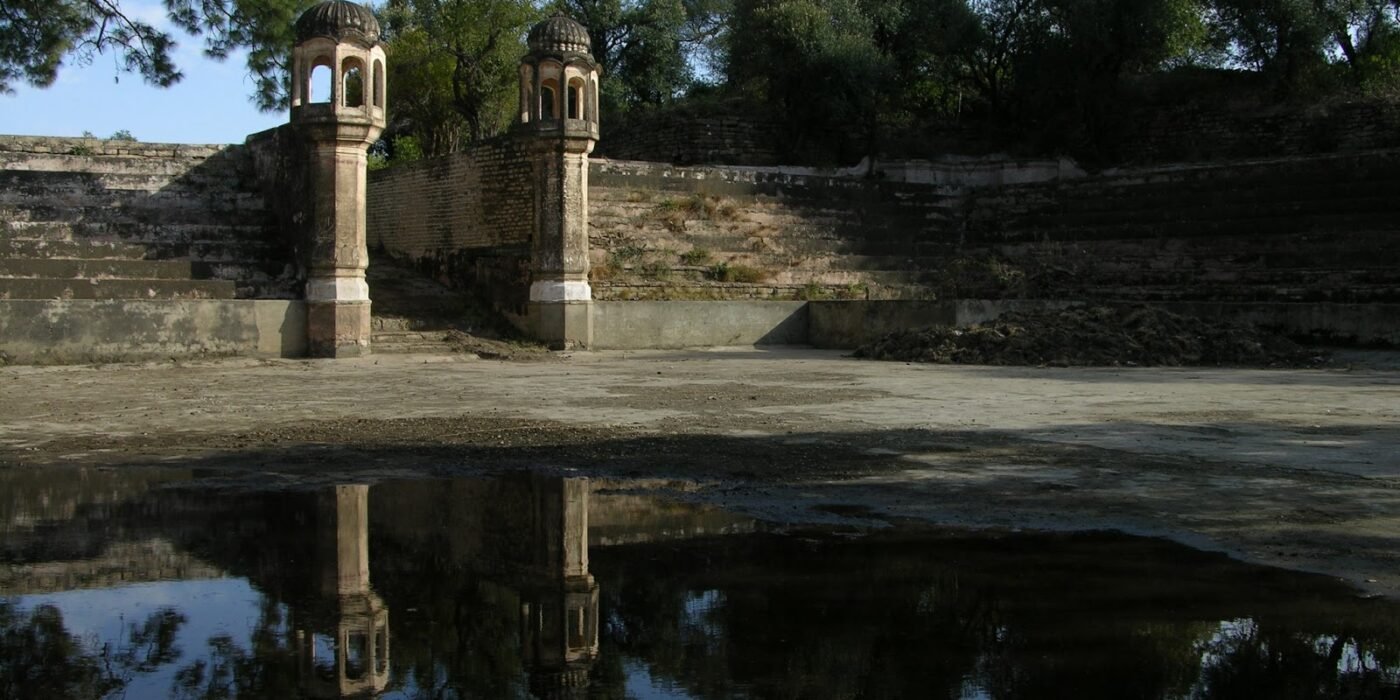
The primary temple dedicated to Lord Shiva retains much of its original architectural character. The central shrine features a traditional Hindu design with a small sanctum sanctorum housing the main deity. The exterior walls display carved motifs and religious symbols that, while weathered, still convey the artistic sophistication of their creators. Recent conservation efforts by local communities and government agencies have helped stabilize the structure and prevent further deterioration.
Several smaller shrines scattered around the summit area are in various states of preservation. Some have been maintained by local caretakers and continue to receive occasional visitors and offerings. Others have succumbed to weather and neglect, their ruins serving as poignant reminders of the site’s more populated past. Archaeological surveys have identified foundations and remains of additional structures that suggest the complex was once much larger and more elaborate.
The meditation caves carved into the rock faces remain largely accessible, though some have been blocked by rockfall or vegetation growth. These natural and artificial caverns provide insight into the ascetic practices that characterized the site’s spiritual life for centuries. Some still contain traces of ancient frescoes and carved symbols, offering valuable archaeological and artistic evidence of the mountain’s religious heritage.
Best Season for Visiting: Timing Your Sacred Journey
The optimal time for trekking to Tilla Jogian spans from October through March, when weather conditions provide the perfect balance of comfortable temperatures, clear skies, and minimal precipitation. This six-month window offers distinct advantages for different types of visitors and varying preferences for climate and scenery.
October and November represent perhaps the ideal months for the trek. Post-monsoon clarity provides exceptional visibility from the summit, with the air washed clean and atmospheric haze at its minimum. Temperatures during these months range from pleasantly warm during midday to refreshingly cool in early morning and evening. The landscape retains some green from the monsoon season while avoiding the intense heat of summer or the harsh cold of deep winter.
December and January offer the coolest conditions, with summit temperatures occasionally dropping near freezing in early morning. However, this season provides the clearest atmospheric conditions and the most dramatic mountain views. The crisp air enhances visibility to its maximum range, and the low angle of winter sunlight creates spectacular photographic opportunities. Trekkers should be prepared for cold conditions and possible frost, especially if planning overnight stays.
February and March mark the transition toward spring, with gradually warming temperatures and the first signs of new vegetation growth. This period offers excellent trekking conditions with moderate temperatures and generally stable weather patterns. The increasing daylight hours provide more flexibility for timing ascents and descents.
The monsoon season from July through September should be avoided due to dangerous trail conditions, reduced visibility, and the risk of flash floods in the lower sections of the route. Summer months from April through June present extreme heat challenges, with temperatures often exceeding comfort levels for strenuous hiking.
Camping and Overnight Adventures
For those seeking a deeper connection with Tilla Jogian’s spiritual and natural environment, overnight camping presents an unforgettable opportunity. The summit area offers several suitable camping spots that provide both safety and spectacular sunrise views. However, camping requires careful planning and preparation due to the exposed conditions and limited amenities.
The most popular camping location sits just below the main temple, offering some protection from wind while maintaining clear views in multiple directions. This spot provides level ground suitable for several tents and reasonable protection from the elements. Water must be carried up from the base, as no reliable sources exist at or near the summit.
Night skies at Tilla Jogian are exceptional due to minimal light pollution and the elevated position. On clear nights, the Milky Way stretches dramatically overhead, and meteor showers are visible with remarkable clarity. The experience of watching sunrise from the summit is transformative, as the first light gradually reveals the vast landscape spreading in every direction.
Camping regulations require respect for the sacred nature of the site. Visitors should maintain appropriate distance from temple structures, avoid noise that might disturb the peaceful atmosphere, and follow Leave No Trace principles rigorously. Local caretakers can provide guidance on appropriate camping locations and cultural sensitivities.
Planning Your Pilgrimage: Practical Considerations
Successful visits to Tilla Jogian require advance planning and local coordination. The trek typically begins early morning to take advantage of cooler temperatures and ensure sufficient time for exploration and descent. Most visitors complete the round trip in 6-8 hours, though those planning extensive photography or meditation time should allow for longer stays.
Transportation to the trailhead at Khukha village can be arranged through local operators in Jhelum city or by private vehicle. The road conditions are generally good but can be challenging during wet weather. Local guides are available and recommended for first-time visitors, as they provide valuable insights into both the practical aspects of the trek and the cultural significance of various sites along the route.
Respect for local customs and the sacred nature of the site is essential. Visitors should dress modestly and behave appropriately when near temple structures. Photography is generally permitted but should be conducted respectfully, especially if local worshippers are present.
Conclusion: Where Earth Meets Sky and History Touches the Divine
Tilla Jogian represents far more than simply the highest peak of the Pothohar Plateau. It stands as a testament to the enduring human quest for spiritual understanding and our deep connection to the natural world. From its ancient origins as a Hindu meditation center through its significance to Sikh pilgrims, from its possible witness to Alexander’s campaigns to its role in modern Pakistan’s adventure tourism, this sacred summit embodies layers of meaning that reward every visitor with something profound and personal.
The trek to Tilla Jogian offers modern adventurers an opportunity to follow in the footsteps of seekers, warriors, and pilgrims who have climbed these same rocky paths for over two thousand years. The physical challenge of the ascent pales beside the spiritual and historical richness that awaits at the summit, where panoramic views of the Pothohar landscape provide perspective on both geography and time itself.
For residents of Jhelum district and visitors to the region, Tilla Jogian provides an accessible yet meaningful mountain experience that combines adventure, culture, and spirituality in a single remarkable destination. Whether seeking physical challenge, photographic opportunities, spiritual reflection, or simply the satisfaction of standing atop Punjab’s ancient highlands, this sacred peak delivers an experience that lingers long after the descent is complete. In a world where truly meaningful destinations become increasingly rare, Tilla Jogian remains a place where the journey is every bit as important as the destination, and where each step upward is also a step deeper into the rich cultural heritage of Pakistan’s historic heartland.