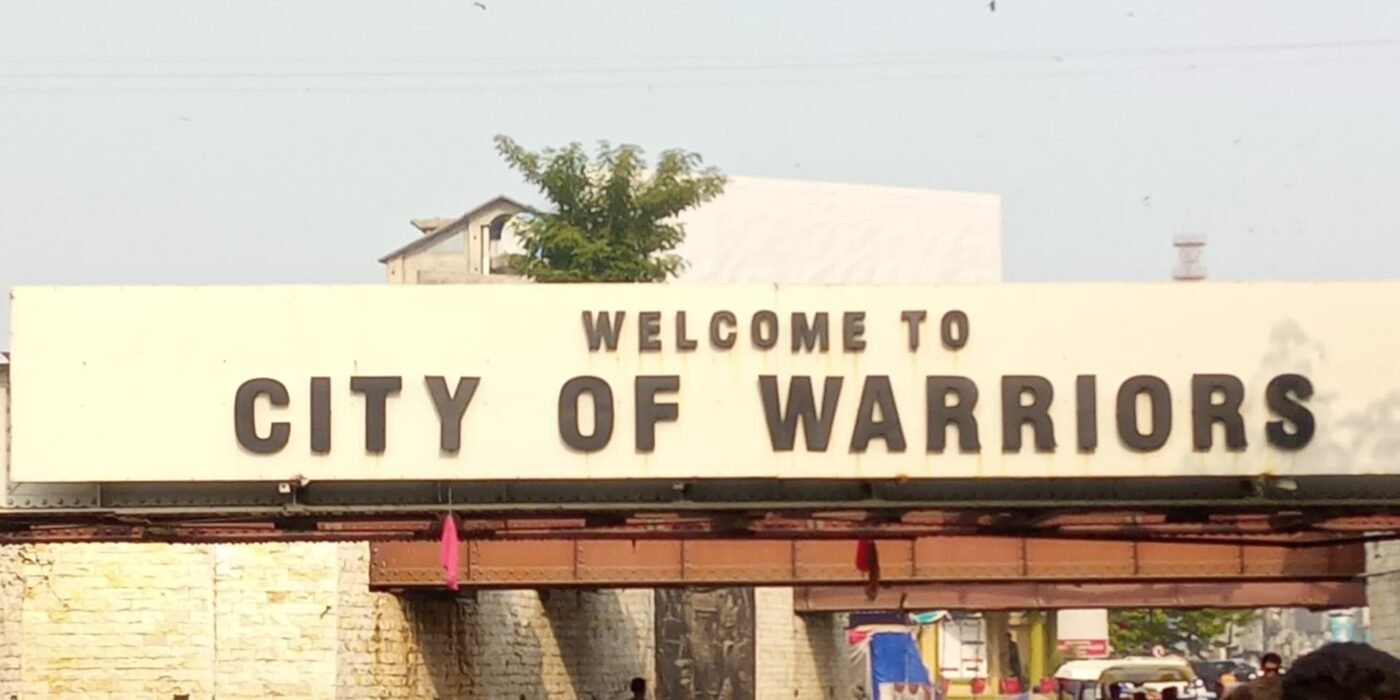
Jhelum: The Crown Jewel of Punjab’s Military Heritage
Nestled gracefully on the right bank of the historic Jhelum River, Jhelum City stands as one of Pakistan’s most distinguished urban centers, earning its place as a beacon of military valor, educational excellence, and cultural richness. This comprehensive guide takes you through the heart of a city that has produced more soldiers per capita than any other in Pakistan, while maintaining its status as the second-highest Human Development Index (HDI) ranked city in the country at 0.770.
From its ancient roots to its modern aspirations, Jhelum City represents the perfect blend of historical significance and contemporary progress. With a population of approximately 190,000 residents and an impressive literacy rate of 79%, this Punjab gem continues to write new chapters in Pakistan’s story of growth and development.
Geographic Location and Strategic Importance
Jhelum City occupies a strategically vital position on the right bank of the Jhelum River, one of the five major rivers that give Punjab its name. Located in the heart of Punjab province, the city serves as the administrative headquarters of Jhelum District, commanding a significant position along the historic Grand Trunk Road.
The city’s geographic coordinates place it at the crossroads of major communication routes, making it a natural hub for trade and military movements throughout history. The fertile alluvial plains surrounding the city, enriched by the Jhelum River’s annual flooding patterns, have supported human settlements here for millennia.
River System and Topography
The Jhelum River, flowing majestically past the city’s eastern boundary, not only provides the city with its name but also serves as a lifeline for agriculture and industry. The river’s seasonal variations create a dynamic ecosystem that supports diverse flora and fauna while providing irrigation for the surrounding agricultural lands.
The city’s topography features gently rolling plains interspersed with occasional hills, creating a landscape that is both agriculturally productive and aesthetically pleasing. This terrain has historically made the area suitable for military training and operations, contributing to its reputation as a military stronghold.
Etymology and Historical Significance
The name “Jhelum” carries deep cultural and linguistic significance, derived from the Sanskrit words “Jal” meaning pure water and “Ham” meaning snow. This etymology reflects the river’s origins in the snow-capped peaks of the Himalayas, where pristine glacial waters begin their journey toward the Arabian Sea.
Ancient Greek historians, including those who accompanied Alexander the Great during his Indian campaign, knew this river as Hydaspes. The famous Battle of the Hydaspes in 326 BCE, fought between Alexander and King Porus, took place near these very banks, forever linking Jhelum to world history.
Colonial Era Legacy
During the British colonial period, Jhelum emerged as a crucial military recruitment center. The British recognized the martial qualities of the local population and established numerous military installations in and around the city. This colonial legacy continues to influence the city’s character and economy to this day.
Demographics and Human Development
With a current population of approximately 190,000 residents, Jhelum City maintains a manageable size that allows for effective urban planning while supporting significant economic activity. The city’s demographic composition reflects Punjab’s broader patterns, with Punjabi being the predominant language, followed by Urdu and English.
Literacy and Education Excellence
Jhelum’s literacy rate of 79% significantly exceeds the national average, demonstrating the city’s commitment to education and human development. This impressive figure reflects decades of investment in educational infrastructure and a cultural emphasis on learning that permeates all levels of society.
The city’s educational achievements extend beyond basic literacy to include higher education, technical training, and professional development programs that prepare residents for careers in various sectors.
Human Development Index Achievement
Ranking second highest in Pakistan with an HDI of 0.770, Jhelum City exemplifies successful urban development. This remarkable achievement encompasses improvements in life expectancy, education access, and standard of living, placing the city among Pakistan’s most liveable urban centers.
The high HDI reflects the city’s success in providing quality healthcare, educational opportunities, and economic prosperity to its residents while maintaining social cohesion and cultural values.
Military Heritage: “Land of Soldiers and Martyrs”
Jhelum’s proudest distinction lies in its unparalleled military heritage, earning it the revered titles of “City of Soldiers” and “City of Martyrs.” This reputation stems from the extraordinary number of military personnel the city has contributed to Pakistan’s armed forces relative to its population size.
Recruitment Tradition
The military tradition in Jhelum traces back to the British colonial era when the region became renowned for producing exceptional soldiers. Local families have maintained this tradition across generations, with military service considered a matter of honor and national duty.
The city has produced numerous high-ranking military officers, including generals, air marshals, and naval admirals who have served with distinction in various conflicts and peacetime operations. This military connection has fostered a strong sense of patriotism and national service among residents.
Martyrs and Valor
The sacrifice made by Jhelum’s sons and daughters in defense of the nation is commemorated throughout the city. Memorial gardens, monuments, and annual ceremonies honor those who made the ultimate sacrifice for their country, reinforcing the city’s identity as a bastion of military valor.
Economic Foundation and Industrial Development
Jhelum’s economy demonstrates remarkable diversification, with several key industries forming the backbone of local prosperity. The city’s strategic location along major transportation routes has facilitated the development of various manufacturing and processing industries.
Tobacco Industry
The tobacco industry represents one of Jhelum’s most significant economic pillars. Local tobacco processing facilities serve both domestic and international markets, with the region’s climate and soil conditions proving ideal for tobacco cultivation. Modern processing techniques and quality control measures have enhanced the competitiveness of Jhelum’s tobacco products.
Wood and Timber Processing
The wood industry in Jhelum has evolved from traditional carpentry to sophisticated timber processing operations. Local sawmills and furniture manufacturing units produce high-quality wooden products, serving construction and furniture markets across Punjab and beyond.
Marble and Stone Industry
Jhelum’s marble industry has gained recognition for producing premium quality marble and stone products. Local quarries provide raw materials, while modern processing facilities create finished products for construction and decorative applications throughout Pakistan.
Glass Manufacturing
The glass industry in Jhelum encompasses both traditional glassmaking techniques and modern manufacturing processes. Local glass factories produce various products, from household items to specialized industrial applications, contributing significantly to the local economy.
Flour Mills and Food Processing
Agricultural processing, particularly flour milling, forms another crucial component of Jhelum’s economy. Modern flour mills process wheat from surrounding agricultural areas, supplying flour and other grain products to regional and national markets.
Architectural Landmarks and Historical Sites
CMH Mosque: A Modern Architectural Marvel
The Combined Military Hospital (CMH) Mosque stands as one of Jhelum’s most impressive modern architectural achievements. This beautiful structure serves not only as a place of worship but also as a symbol of the city’s military heritage and Islamic architectural traditions.
The mosque’s design incorporates contemporary architectural elements while respecting traditional Islamic aesthetics, creating a harmonious blend that reflects Jhelum’s evolution from historical settlement to modern city.
Railway Bridge: Engineering Excellence
Spanning an impressive 4.2 kilometers across the Jhelum River, the railway bridge represents one of Pakistan’s most significant engineering achievements. This vital transportation link connects Jhelum to the national railway network, facilitating both passenger and freight movement.
The bridge’s construction required overcoming significant engineering challenges posed by the river’s seasonal variations and the need to maintain structural integrity under heavy loads. Today, it stands as a testament to Pakistani engineering capabilities and serves as a crucial economic lifeline for the region.
St. John’s Church: Colonial Heritage
Built in 1860 during the British colonial period, St. John’s Church represents Jhelum’s Christian heritage and colonial architectural legacy. This historic structure has been carefully preserved, serving the local Christian community while standing as a monument to the city’s diverse religious heritage.
The church’s Gothic Revival architecture features characteristic pointed arches, ribbed vaults, and flying buttresses adapted to local climatic conditions. Its bell tower and stained glass windows create a distinctive silhouette against Jhelum’s skyline.
Bazaars, Markets, and Culinary Traditions
Traditional Bazaars
Jhelum’s traditional bazaars offer an authentic glimpse into Pakistani commercial culture. The main bazaar, located in the city center, bustles with activity as merchants sell everything from traditional textiles and handicrafts to modern consumer goods.
The spice market, or “masala bazaar,” provides an sensory experience with its aromatic display of local and imported spices, herbs, and seasonings essential to Pakistani cuisine. Traditional carpet and textile shops showcase local craftsmanship alongside imported goods.
Food Culture and Local Specialties
Jhelum’s culinary scene reflects both Punjabi traditions and influences from its military connections with various regions. Local restaurants serve traditional dishes such as karahi, nihari, and various bread varieties baked in traditional tandoor ovens.
Street food vendors offer popular snacks including samosas, pakoras, and chaat, while sweet shops specialize in traditional mithai and modern confections. The city’s tea culture is particularly strong, with numerous chai khanas serving as social gathering places.
Modern Shopping Centers
Contemporary shopping centers complement traditional bazaars, offering modern retail experiences with branded goods, electronics, and international products. These facilities cater to the city’s growing middle class and provide employment opportunities in the retail sector.
Educational Infrastructure and Institutions
Primary and Secondary Education
Jhelum’s educational system encompasses both public and private institutions, providing quality education from primary through secondary levels. Government schools serve the majority of students, while private institutions offer alternative approaches and specialized programs.
The city’s schools have produced numerous successful graduates who have excelled in various fields, including military service, medicine, engineering, and business. This educational success contributes directly to Jhelum’s high literacy rate and HDI ranking.
Higher Education and Technical Training
Several colleges and technical institutes in Jhelum provide higher education opportunities in arts, sciences, commerce, and technical fields. These institutions prepare students for university admission and professional careers while reducing the need to leave the city for educational purposes.
Technical training centers offer vocational education in various trades, supporting the city’s industrial development by providing skilled workers for local industries.
Healthcare Services and Medical Facilities
Public Healthcare System
Jhelum’s healthcare infrastructure includes government hospitals, private medical facilities, and specialized clinics that serve both urban and rural populations. The Combined Military Hospital (CMH) provides high-quality medical care, particularly benefiting military families and veterans.
District Headquarters Hospital serves as the primary public healthcare facility, offering emergency services, general medicine, surgery, and specialized treatments. Rural health centers extend medical services to surrounding villages and agricultural communities.
Private Medical Practice
Private clinics and hospitals complement public healthcare services, providing additional options for medical care. Many qualified doctors who trained in major Pakistani cities have established practices in Jhelum, improving the overall quality and accessibility of medical services.
Specialized medical services, including cardiology, gynecology, and pediatrics, are increasingly available locally, reducing the need for residents to travel to larger cities for treatment.
Transportation and Accessibility
Road Connections
Jhelum’s location along the historic Grand Trunk Road provides excellent connectivity to major Pakistani cities. The journey from Islamabad takes approximately 1.5 hours via well-maintained highways, making the city easily accessible for business and tourism.
Local transportation includes buses, rickshaws, and private vehicles, with ongoing improvements to road infrastructure supporting growing traffic demands. The city’s compact size makes most destinations accessible within short travel times.
Railway Connectivity
The railway station serves as an important stop on Pakistan’s main railway line, providing passenger and freight services connecting Jhelum to Karachi, Lahore, Islamabad, and other major cities. The historic railway bridge enables continuous rail traffic across the Jhelum River.
Future Transportation Projects
Planned infrastructure improvements include road widening projects, bridge construction, and enhanced public transportation systems designed to support continued urban growth while maintaining traffic flow efficiency.
Diaspora Community and Global Connections
International Migration Patterns
Jhelum has established one of Pakistan’s most extensive diaspora communities, with residents having migrated to countries across the globe, particularly to the United Kingdom, United States, Canada, Australia, and various Middle Eastern nations. This migration pattern began during the British colonial period and has continued through modern times.
The city’s military tradition has facilitated international connections, as retired military personnel have often found opportunities abroad, creating networks that support subsequent migration and business relationships.
Economic Impact of Diaspora
Remittances from overseas Jhelum residents contribute significantly to the local economy, supporting family incomes, funding education, and enabling business investments. These financial flows have helped maintain the city’s relatively high standard of living and supported infrastructure development.
Diaspora investments in local real estate, businesses, and educational institutions have created employment opportunities and stimulated economic growth, while also maintaining cultural connections between overseas communities and their homeland.
Cultural Exchange and Development
The global Jhelum diaspora maintains strong cultural ties through regular visits, cultural events, and charitable contributions to local development projects. This international network has also facilitated educational and business opportunities for residents who remain in the city.
Future Prospects and Development Plans
Urban Planning Initiatives
Jhelum’s city planners are developing comprehensive strategies to manage urban growth while preserving the city’s unique character and historical heritage. These plans include infrastructure improvements, environmental protection measures, and economic diversification initiatives.
Smart city technologies are being gradually introduced to improve municipal services, traffic management, and citizen services, positioning Jhelum for sustainable development in the digital age.
Economic Diversification
Future economic development plans emphasize diversification beyond traditional industries to include information technology, services, and value-added manufacturing. These initiatives aim to create employment opportunities for the city’s educated youth while building on existing strengths.
Conclusion: Jhelum’s Continuing Legacy
Jhelum City stands as a remarkable example of how historical heritage, military tradition, and modern development can coexist harmoniously. From its strategic position on the Jhelum River to its exceptional human development achievements, this “City of Soldiers” continues to write new chapters in Pakistan’s story of progress and prosperity.
With its impressive literacy rate of 79%, second-highest HDI ranking of 0.770, and thriving economy built on diverse industries, Jhelum demonstrates that medium-sized cities can achieve excellence through focused development and community commitment. The city’s architectural landmarks, from the ancient St. John’s Church to the modern CMH Mosque and the engineering marvel of its 4.2-kilometer railway bridge, tell the story of a community that honors its past while embracing the future.
Whether you’re drawn by its military heritage, interested in its economic opportunities, or simply seeking to experience authentic Pakistani culture, Jhelum City offers a unique window into the heart of Punjab. Just 1.5 hours from Islamabad, this accessible destination rewards visitors with warm hospitality, rich history, and the inspiring example of a community that has consistently punched above its weight in contributing to Pakistan’s national development.
As Jhelum continues to evolve and grow, it maintains the essential qualities that have made it special: a strong sense of service to the nation, commitment to education and development, and pride in its unique identity as Pakistan’s premier military city. The future looks bright for this crown jewel of Punjab, as it continues to balance tradition with progress in its ongoing journey toward even greater achievements.
Leave a Reply
You must be logged in to post a comment.