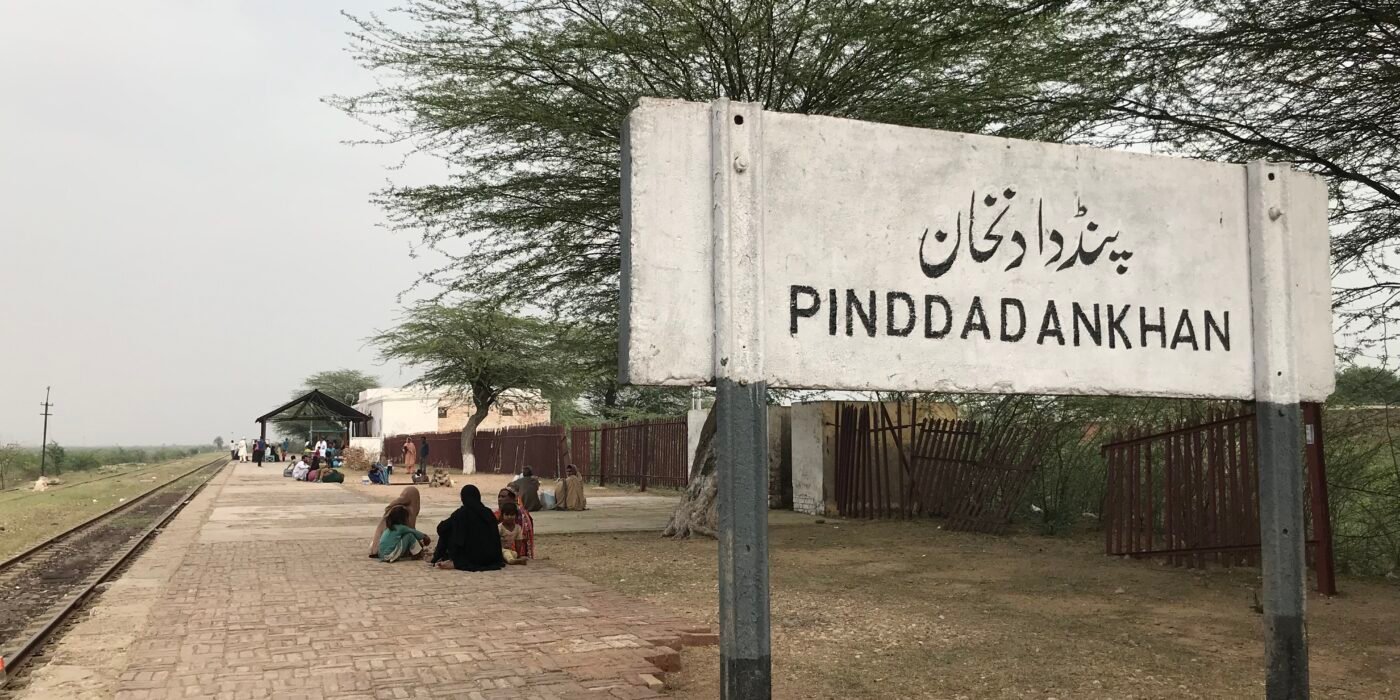
Pind Dadan Khan: The Historic Gateway to Jhelum’s Salt Range
Nestled in the heart of Punjab’s legendary Salt Range, Pind Dadan Khan stands as one of Jhelum District’s most fascinating tehsils, where ancient history meets modern development. Known locally as PDK, this historic town serves as a crucial link between the bustling cities of Punjab and the mineral-rich highlands of the Salt Range. From its strategic position along major transport routes to its proximity to the world-famous Khewra Salt Mines, Pind Dadan Khan offers visitors and residents alike a unique blend of historical significance, natural beauty, and economic opportunity.
Whether you’re a history enthusiast drawn to the ancient Indus Valley civilization site at Baghanwala, a business traveler passing through this important junction, or someone considering settling in this thriving tehsil, this comprehensive guide will help you discover everything PDK has to offer.
Strategic Location in the Salt Range
Pind Dadan Khan occupies a prime position in the southern foothills of the Salt Range, approximately 35 kilometers southeast of Jhelum city. This strategic location places it at the crossroads of several important districts, with easy access to Chakwal, Khushab, and Sargodha districts. The tehsil sits at an elevation that provides relief from the intense summer heat of the plains while maintaining accessibility throughout the year.
The Salt Range formation surrounding PDK is a geological marvel, representing one of the world’s oldest mountain ranges. These ancient hills, rich in salt deposits and other minerals, create a distinctive landscape of rolling hills, steep cliffs, and fertile valleys that characterize the region’s unique topography.
Geographic Advantages
The town’s position offers several geographic advantages that have contributed to its historical and contemporary importance. Its location along the Grand Trunk Road provides excellent connectivity to major cities, while its proximity to the Salt Range opens up opportunities for mining, tourism, and agriculture. The area benefits from a semi-arid climate with moderate rainfall, making it suitable for various crops and livestock farming.
The Jhelum River flows relatively nearby, providing water resources for irrigation and supporting the agricultural economy of the region. The combination of fertile alluvial soil in the plains and the mineral-rich hills creates a diverse economic landscape that has sustained communities here for millennia.
The Khewra Connection
One of PDK’s most significant claims to fame is its proximity to the Khewra Salt Mines, located just a short drive away. These mines represent the second-largest salt mine in the world and the oldest in the salt mining history of the subcontinent. The connection between Pind Dadan Khan and Khewra goes beyond mere geography; it encompasses economic, cultural, and historical ties that have shaped both communities for centuries.
Many residents of PDK work in the salt mining industry or related businesses, from transportation and logistics to tourism services for the thousands of visitors who come to see the famous Khewra Salt Mines each year. The pink salt that has made Khewra internationally famous often passes through PDK’s transportation networks on its way to markets across Pakistan and beyond.
Economic Integration
The economic relationship between PDK and Khewra has created a symbiotic relationship where both areas benefit from shared infrastructure, labor markets, and commercial activities. Local businesses in PDK often cater to mine workers, tourists, and the logistics industry that supports the salt trade. This connection has helped establish PDK as more than just a transit town; it’s an integral part of the Salt Range’s economic ecosystem.
Rich Historical Significance
The history of Pind Dadan Khan stretches back through multiple civilizations and empires. The name itself tells a story. “Pind” means village in Punjabi, while “Dadan Khan” is believed to be named after a Mughal-era administrator or local chieftain who played a significant role in the area’s development during medieval times.
During the British colonial period, PDK gained importance as a administrative center and transportation hub. The British recognized the strategic value of controlling this gateway to the Salt Range, particularly given the economic importance of salt extraction and trade. Colonial-era buildings and infrastructure remnants can still be found throughout the town, serving as tangible links to this important period in the region’s history.
Cultural Heritage
The town has been home to various ethnic and religious communities throughout its history, creating a rich tapestry of cultural traditions. Local festivals, architectural styles, and culinary traditions reflect this diversity, with influences from Mughal, British, and indigenous Punjabi cultures blending together to create PDK’s unique cultural identity.
Traditional crafts and trades that developed around the salt industry and agriculture continue to play important roles in local culture. Pottery, metalwork, and textile production maintain connections to historical practices while adapting to modern market demands.
The Town of Pind Dadan Khan
Modern PDK is a bustling tehsil headquarters that successfully balances its historical character with contemporary development needs. The town center features a mix of traditional bazaars and modern commercial establishments, creating a vibrant marketplace that serves both local residents and passing travelers.
The main bazaar area showcases the town’s commercial vitality, with shops selling everything from daily necessities to specialized goods related to the salt and mining industries. Local restaurants offer traditional Punjabi cuisine alongside more modern dining options, catering to the diverse population of residents, workers, and visitors.
Urban Development
Recent years have seen significant investment in urban infrastructure, including improved road networks, better street lighting, and upgraded utilities. The town’s growth reflects Pakistan’s broader urbanization trends while maintaining its distinctive character as a Salt Range community.
Residential areas range from traditional courtyard houses that reflect local architectural heritage to modern developments that accommodate the town’s growing population. The planning authorities have worked to balance development needs with preservation of the town’s historical character and natural environment.
Baghanwala: Ancient Indus Valley Treasures
Perhaps the most archaeologically significant site in the PDK area is Baghanwala, which contains remains from the ancient Indus Valley Civilization. This site represents one of the important archaeological discoveries in the Salt Range region, providing insights into how ancient peoples lived and worked in this area over 4,000 years ago.
The Baghanwala site has yielded pottery, tools, and structural remains that help archaeologists understand the extent and sophistication of Indus Valley settlements in the Punjab region. The discovery of this site near PDK adds another layer to the area’s historical significance, demonstrating that this has been an important location for human settlement for millennia.
Archaeological Importance
Research at Baghanwala continues to provide new insights into the Indus Valley Civilization’s reach and influence. The site’s location in the Salt Range suggests that ancient peoples recognized the same geographic and economic advantages that make PDK important today. Access to salt deposits, fertile land, and strategic positioning likely made this an attractive location for ancient settlements.
While much of the site remains under scientific study, its presence near PDK contributes to the area’s appeal for cultural tourism and historical research. The site represents a tangible connection to one of the world’s earliest urban civilizations.
Local Economy and Industries
PDK’s economy is diversified across several key sectors, with agriculture, mining-related industries, commerce, and services all playing important roles. The agricultural sector benefits from fertile soils and adequate water resources, supporting crops such as wheat, cotton, sugarcane, and various vegetables and fruits.
The proximity to Khewra Salt Mines creates numerous economic opportunities, from direct employment in mining operations to supporting services like transportation, equipment supply, and maintenance. Many local businesses have developed specifically to serve the needs of the salt industry and its workers.
Commercial Activities
The town’s position on major transport routes makes it an important commercial center for the broader region. Wholesale and retail trade flourish here, with businesses serving customers from surrounding villages and passing through the area. The livestock trade is particularly important, with PDK serving as a regional hub for cattle and buffalo markets.
Small-scale manufacturing and processing industries have also developed, taking advantage of the town’s good transportation links and available labor force. These include food processing, textile production, and various workshop-based manufacturing activities that serve both local and regional markets.
Transportation Networks
Excellent transportation connectivity is one of PDK’s greatest assets. The town sits on the historic Grand Trunk Road, providing direct connections to Islamabad, Lahore, and other major cities. This highway access makes PDK easily reachable by car, bus, and truck transportation, supporting both passenger travel and freight movement.
Regular bus services connect PDK to Jhelum city, Chakwal, Khushab, and other regional centers. The transportation infrastructure also supports the movement of salt and other minerals from the nearby mines to markets throughout Pakistan and for export.
Future Transportation Projects
Planned improvements to regional transportation infrastructure promise to further enhance PDK’s connectivity. Road upgrades and potential rail connections could strengthen the town’s position as a transportation hub and support continued economic growth.
Educational Facilities
Education infrastructure in PDK includes both public and private institutions serving students from primary through higher secondary levels. Government schools provide accessible education for local children, while private institutions offer additional options for families seeking alternative educational approaches.
The town hosts several colleges that serve the broader tehsil area, providing higher education opportunities in arts, sciences, and commerce. Technical and vocational training programs help prepare students for careers in local industries, including mining, agriculture, and commerce.
Educational Development
Recent investments in educational infrastructure have improved facilities and expanded access to quality education. Computer laboratories, science equipment, and library resources have been enhanced in many institutions, helping prepare students for modern career opportunities.
Healthcare Services
Healthcare facilities in PDK include both government and private providers offering medical services to residents and surrounding communities. The main government hospital provides basic medical care, emergency services, and maternal health services. Several private clinics and medical practices offer specialized services and alternative healthcare options.
The proximity to larger cities like Jhelum and access to transportation networks ensures that residents can reach advanced medical facilities when needed for specialized treatments or emergency care.
Conclusion: PDK’s Promising Future
Pind Dadan Khan represents a remarkable blend of historical significance, natural resources, and modern development potential. From its ancient roots evidenced at Baghanwala through its colonial-era importance to its current role as a thriving tehsil center, PDK continues to evolve while maintaining its distinctive character as a Salt Range community.
The town’s strategic advantages – excellent transportation connectivity, proximity to the famous Khewra Salt Mines, diverse economic opportunities, and rich cultural heritage – position it well for continued growth and development. As Pakistan’s economy grows and infrastructure improves, places like PDK that combine accessibility, resources, and human capital are likely to play increasingly important roles.
For visitors, residents, and investors alike, Pind Dadan Khan offers a unique combination of history, culture, and opportunity that makes it one of Jhelum District’s most intriguing destinations. Whether you’re exploring ancient archaeological sites, conducting business in the salt industry, or simply passing through this historic crossroads, PDK provides a window into both Pakistan’s ancient past and its promising future.
Leave a Reply
You must be logged in to post a comment.