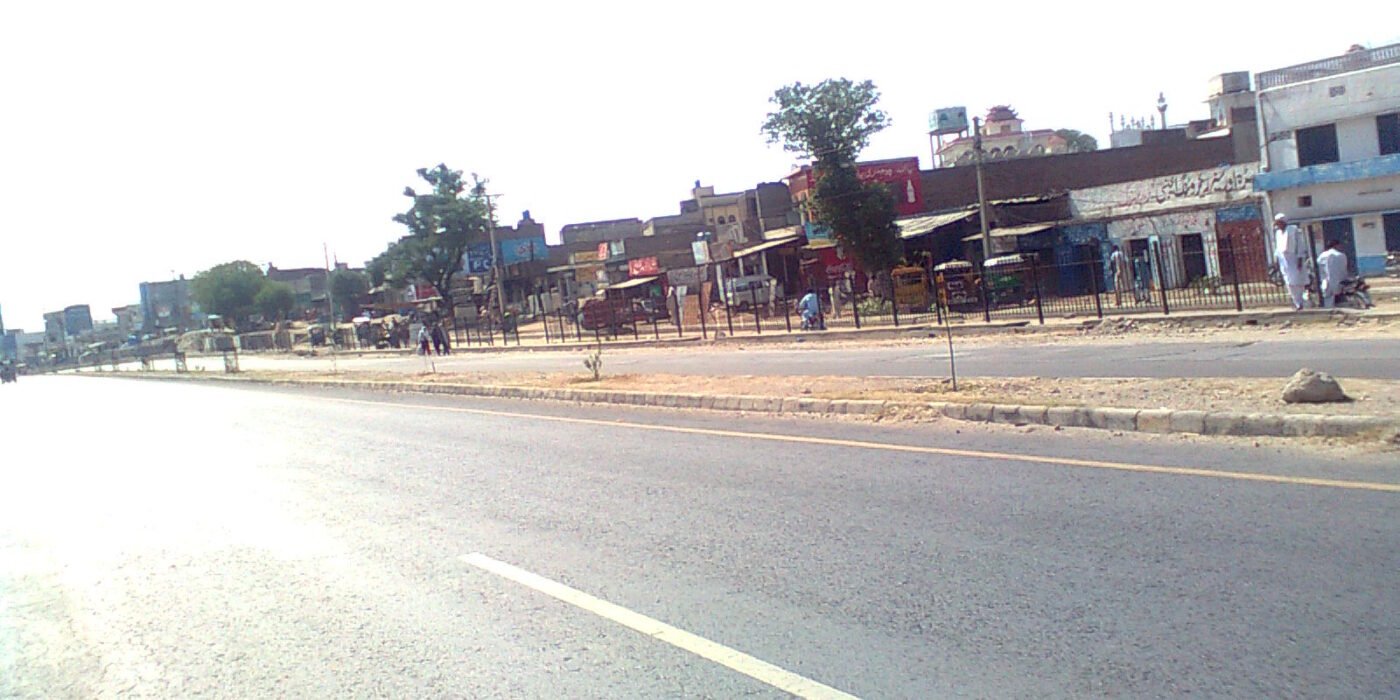
Sohawa Tehsil: The Agricultural Heart of Jhelum District
Nestled in the fertile plains of northern Punjab, Sohawa tehsil stands as one of the most significant administrative subdivisions of Jhelum District. This thriving region, with its rich agricultural heritage and strategic location, serves as a vital economic engine for the district while maintaining deep-rooted traditions that have shaped its identity for generations. From its expansive wheat fields to its proud military recruitment legacy, Sohawa represents the perfect blend of rural prosperity and modern development in Pakistan’s Punjab province.
As you traverse through Sohawa’s landscape, you’ll discover a tehsil that has successfully balanced agricultural excellence with educational advancement, creating opportunities for its residents while preserving the cultural values that define this remarkable region. The area’s contribution to Pakistan’s food security and its role in supplying quality recruits to the nation’s armed forces make it an integral part of both Jhelum District and the broader national framework.
Geographic Location and Boundaries
Sohawa tehsil occupies a strategic position in the southeastern portion of Jhelum District, covering an approximate area of 1,200 square kilometers. The tehsil is bordered by Chakwal District to the south, creating important inter-district trade connections, while its northern boundaries merge with other parts of Jhelum District. This positioning places Sohawa at a crucial crossroads between different administrative regions.
The terrain of Sohawa is predominantly flat to gently undulating plains, characteristic of the Pothohar Plateau’s southern reaches. The elevation ranges from 300 to 500 meters above sea level, providing ideal conditions for agriculture. The region benefits from a network of seasonal streams and nullahs that contribute to the area’s water resources, though the main water sources come from tube wells and canal irrigation systems.
Climate and Natural Features
Sohawa experiences a semi-arid subtropical climate with hot summers and mild winters. The monsoon season, typically from July to September, brings the majority of the annual rainfall, which averages between 500 to 700 millimeters. This climate pattern, combined with the fertile soil composition, creates optimal conditions for crop cultivation, particularly wheat, which forms the backbone of the local economy.
The natural landscape is dotted with ancient trees, particularly the hardy kikar and shisham varieties that have adapted well to the region’s climate. These trees not only provide shade and timber but also play a crucial role in preventing soil erosion and maintaining the ecological balance of the area.
Economic Foundation and Development
The economy of Sohawa tehsil is fundamentally rooted in agriculture, with over 70% of the population directly or indirectly dependent on farming activities. The region’s economic structure reflects a traditional yet evolving agricultural economy that has adapted to modern farming techniques while maintaining sustainable practices passed down through generations.
Small and medium-scale businesses complement the agricultural sector, with numerous shops, markets, and service providers catering to the rural population’s needs. The tehsil headquarters and major villages host weekly markets where farmers sell their produce and purchase essential goods, creating a vibrant local economy that supports thousands of families.
Commercial Activities and Trade
Beyond agriculture, Sohawa has witnessed growth in various commercial sectors. Transportation services, including goods vehicles and passenger transport, have flourished due to the tehsil’s strategic location on major road networks. Additionally, agricultural machinery dealerships, fertilizer shops, and seed stores have established strong presences, supporting the farming community’s evolving needs.
The remittances from overseas workers, particularly those serving in the Gulf countries and the substantial number of military personnel, contribute significantly to the local economy. These financial inflows have improved living standards and enabled investments in property, education, and small businesses throughout the tehsil.
Agricultural Excellence and Crop Production
Agriculture in Sohawa tehsil represents some of the finest farming practices in Punjab province. The region is renowned for producing high-quality wheat, which serves as the primary cash crop and food staple. The tehsil contributes substantially to Pakistan’s wheat production, with yields often exceeding national averages due to favorable soil conditions and progressive farming methods.
The cropping pattern follows a traditional rabi-kharif system. During the rabi season (winter crops), wheat dominates the landscape, accompanied by gram, mustard, and barley. The kharif season (summer crops) sees cultivation of rice, maize, sugarcane, and various fodder crops. This diversified approach ensures year-round agricultural activity and provides farmers with multiple income sources.
Modern Farming Techniques
Farmers in Sohawa have increasingly adopted modern agricultural technologies, including improved seed varieties, efficient irrigation systems, and mechanized farming equipment. The introduction of high-yielding wheat varieties and the use of balanced fertilizers have significantly increased productivity. Many farmers now employ tractors, combine harvesters, and other modern machinery, reducing labor costs and improving efficiency.
Livestock farming complements crop production, with most households maintaining buffalo, cattle, goats, and poultry. This integrated farming approach provides additional income through milk production, meat sales, and egg production, while animal waste serves as valuable organic fertilizer for crop fields.
Military Recruitment Tradition
Sohawa tehsil holds a distinguished position in Pakistan’s military recruitment landscape, with a proud tradition that spans generations. The region has contributed thousands of dedicated soldiers to the Pakistan Army, Navy, and Air Force, earning recognition for producing some of the country’s finest military personnel.
This military tradition stems from the area’s historical connection to martial communities and the region’s culture of service to the nation. Families in Sohawa take immense pride in their military heritage, with many households having multiple generations serving in the armed forces. The tehsil regularly produces officers and enlisted personnel who have served with distinction in various military operations and peacekeeping missions.
Impact on Local Community
The strong military recruitment tradition has brought numerous benefits to the local community. Military families typically enjoy better economic stability through regular salaries and benefits, contributing to improved living standards. Additionally, the discipline and training acquired through military service often translates into leadership roles within the civilian community, with retired military personnel frequently taking active roles in local development initiatives.
Notable Villages and Rural Centers
Sohawa tehsil encompasses numerous villages, each with its unique characteristics and contributions to the region’s overall development. The tehsil headquarters, also named Sohawa, serves as the primary administrative and commercial center, hosting government offices, major markets, and educational institutions.
Among the notable villages, several stand out for their size, economic importance, or historical significance. These include villages that have produced prominent military officers, successful businessmen, or scholars who have contributed to the region’s reputation. Many villages have established their own schools, mosques, and community centers, reflecting the strong community spirit that characterizes the area.
Village Infrastructure and Development
Most villages in Sohawa tehsil have experienced significant infrastructure improvements over the past decades. Rural electrification has reached nearly all settlements, while road connectivity has improved dramatically. Many villages now have access to clean drinking water through government-installed hand pumps and tube wells, though challenges remain in ensuring consistent water quality and supply.
Educational Landscape
Education in Sohawa tehsil has witnessed remarkable progress, with literacy rates steadily improving across all age groups. The tehsil boasts numerous primary, middle, and high schools, both for boys and girls, ensuring that educational opportunities are accessible to all communities within the region.
The government has established several higher secondary schools that offer science and arts programs, enabling students to pursue advanced education without leaving their home areas. Additionally, private educational institutions have emerged to complement government schools, providing alternative learning environments and often offering English-medium instruction.
Higher Education and Skill Development
While the tehsil lacks major universities, students have access to higher education institutions in nearby Jhelum city and other urban centers. Many families prioritize education as a pathway to better opportunities, with increasing numbers of young people pursuing professional degrees in engineering, medicine, business administration, and other fields.
Vocational training programs have also gained importance, with initiatives focusing on agricultural technology, computer skills, and technical trades that align with local economic needs and opportunities in urban job markets.
Healthcare Infrastructure
Healthcare facilities in Sohawa tehsil include a combination of government-run and private medical services. The tehsil headquarters houses a Tehsil Headquarters Hospital that provides basic medical services, emergency care, and specialized outpatient services. This facility serves as the primary healthcare provider for the entire tehsil, handling routine medical cases and referring complex cases to district or provincial-level hospitals.
Rural Health Centers and Basic Health Units are strategically located throughout the tehsil to ensure healthcare access for remote villages. These facilities focus on primary healthcare, maternal and child health services, and preventive care programs. Lady Health Workers play a crucial role in delivering healthcare services directly to households, particularly in areas related to family planning, immunization, and basic health education.
Private Healthcare Sector
The private healthcare sector has expanded significantly, with numerous private clinics and pharmacies operating throughout the tehsil. Many qualified doctors who have completed their education in major cities have established practices in Sohawa, bringing advanced medical knowledge and treatment options closer to rural populations.
Transportation and Connectivity
Sohawa tehsil benefits from an extensive road network that connects it to major cities and neighboring districts. The main highways facilitate efficient transportation of agricultural products to markets in Jhelum, Rawalpindi, and other urban centers. Public transportation services, including buses and wagons, provide regular connectivity between villages and urban areas.
The road infrastructure has improved considerably with government investment in rural road development programs. Most villages now have all-weather road access, enabling year-round transportation of goods and people. However, some remote areas still depend on unpaved roads that can become challenging during monsoon seasons.
Future Transportation Plans
Ongoing development projects aim to further improve transportation infrastructure, with plans for road widening and construction of new connecting routes. These improvements will enhance economic opportunities by reducing transportation costs and travel times to major markets and urban centers.
Role in Jhelum District
Sohawa tehsil plays a vital role in the overall development and identity of Jhelum District. As one of the district’s most agriculturally productive regions, it contributes significantly to the district’s economy and food production. The tehsil’s agricultural output helps establish Jhelum District as an important contributor to Punjab’s agricultural sector.
The military recruitment tradition of Sohawa enhances the district’s reputation for producing dedicated service members, contributing to Jhelum District’s overall standing in Pakistan’s defense landscape. This tradition also brings economic benefits through military salaries and pensions that flow into the local economy.
Administratively, Sohawa tehsil represents a significant portion of Jhelum District’s population and territory, making it an important consideration in district-level planning and resource allocation. The tehsil’s development needs and opportunities significantly influence district-wide policies and programs.
Conclusion
Sohawa tehsil stands as a testament to the agricultural prosperity and cultural richness that define rural Pakistan. Its strategic location, fertile lands, and hardworking population have created a region that contributes significantly to both local and national development. The tehsil’s success in balancing traditional agricultural practices with modern techniques, while maintaining its proud military recruitment tradition, serves as a model for rural development across Punjab.
As Sohawa continues to evolve, the challenge lies in building upon its strengths while addressing areas that require improvement, particularly in healthcare, education infrastructure, and economic diversification. The tehsil’s future prosperity will depend on its ability to leverage its agricultural excellence, military tradition, and strategic location to create sustainable opportunities for its growing population. For visitors and investors looking to understand the authentic rural character of Jhelum District, Sohawa tehsil offers an excellent window into the region’s agricultural heritage, community spirit, and development potential.
Leave a Reply
You must be logged in to post a comment.