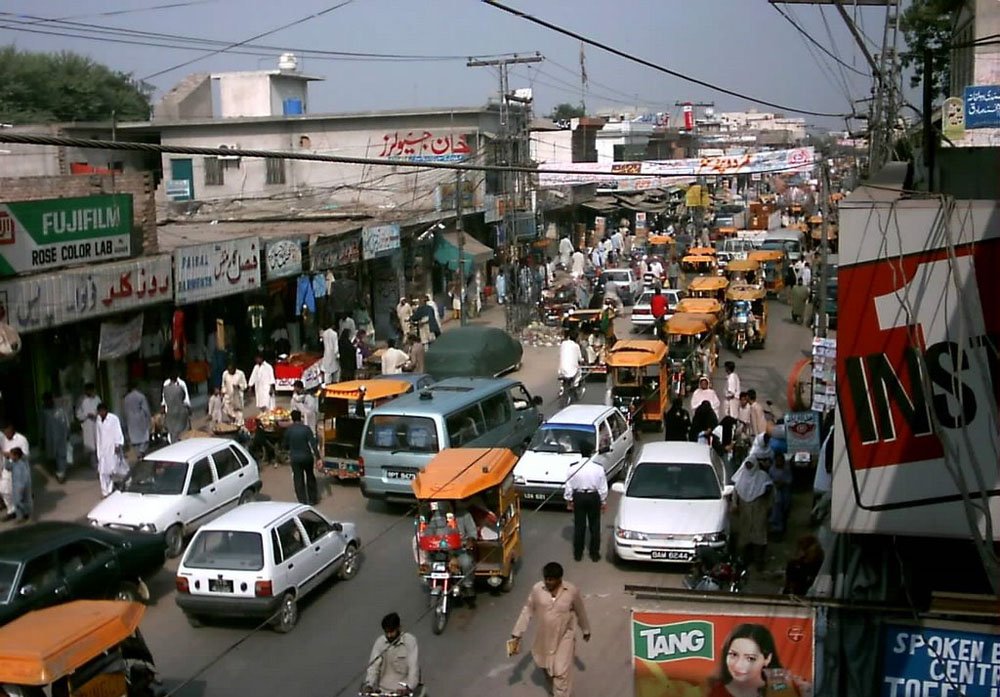
Nestled along the historic Grand Trunk Road, Dina stands as one of Jhelum District’s most strategically important towns, serving as a vital link between major cities while preserving its rich historical heritage. This comprehensive guide explores everything you need to know about Dina town and Tehsil Dina, from its ancient connections to Alexander the Great to its modern role as a bustling commercial hub. Whether you’re a history enthusiast, business traveler, or local resident, understanding Dina’s unique position in Punjab’s landscape will help you appreciate this remarkable town’s significance.
Geographic Location and Strategic Importance
Dina town occupies a privileged position in Jhelum District, situated approximately 18 kilometers south of Jhelum city along the famous Grand Trunk Road (N-5). This strategic location has made Dina a crucial stopover point for travelers journeying between Islamabad, Rawalpindi, and Lahore for centuries. The town sits at the coordinates that place it perfectly between the Salt Range to the south and the main Jhelum River valley to the north.
The Grand Trunk Road, originally constructed during the Mughal era and later modernized by the British, passes directly through Dina’s commercial center, bringing continuous flow of traffic and commerce. This has transformed the town into a natural rest stop and trading point, with numerous hotels, restaurants, and fuel stations catering to long-distance travelers.
Tehsil Dina covers an extensive area that includes not only the main town but also dozens of surrounding villages and rural communities. The tehsil boundaries extend from the Jhelum River in the north to the edges of the Salt Range in the south, encompassing diverse topography that includes fertile agricultural plains, rolling hills, and archaeological sites of immense historical value.
Historical Significance and Alexander’s Monument
Dina’s historical importance extends far beyond its modern commercial role. The area holds particular significance in ancient history, as it lies along one of the routes used by Alexander the Great during his campaign in the Indian subcontinent in 326 BCE. Local tradition and some historical accounts suggest that Alexander’s forces passed through or near present-day Dina during their march toward the Hydaspes River (modern Jhelum River).
Alexander’s Monument, located within Dina’s vicinity, stands as a testament to this ancient connection. While the exact historical authenticity of the monument’s connection to Alexander remains a subject of scholarly debate, it represents the deep-rooted belief in the region’s ancient significance. The monument attracts history enthusiasts and tourists who come to explore the area’s connections to one of history’s most famous military campaigns.
The broader region around Dina has yielded archaeological evidence of various civilizations, including remnants from the Gandhara period and artifacts from the Mughal era. These discoveries reinforce Dina’s position as a historically significant location that has witnessed the passage of numerous cultures and empires over millennia.
Proximity to Rohtas Fort: A UNESCO World Heritage Treasure
One of Dina’s greatest attractions is its proximity to the magnificent Rohtas Fort, located just 7 kilometers away. This UNESCO World Heritage Site, built by Sher Shah Suri in the 16th century, represents one of the finest examples of early Muslim military architecture in the Indian subcontinent. The fort’s close proximity to Dina makes the town an ideal base for visitors exploring this historical marvel.
Rohtas Fort sprawls across 70 hectares and features massive walls, impressive gateways, and well-preserved structures that showcase the architectural brilliance of the Sur dynasty. The fort was strategically positioned to control the northern route to Delhi and served as a crucial military stronghold. Its location near Dina allowed it to benefit from the town’s position on major trade routes.
For modern visitors, staying in Dina provides convenient access to Rohtas Fort while offering better accommodation and dining options compared to the more remote fort area. Local transport operators in Dina regularly organize trips to the fort, and the short distance makes it easily accessible by private vehicle, taxi, or even bicycle for the more adventurous tourists.
The relationship between Dina and Rohtas Fort extends beyond mere proximity. Historically, Dina likely served as a supply point and administrative center supporting the fort’s operations. This symbiotic relationship continues today, as Dina benefits from tourism generated by the fort’s UNESCO status and international recognition.
Local Economy and Commercial Activities
Dina’s economy thrives on its strategic location along the GT Road, creating a diverse commercial ecosystem that serves both local needs and passing traffic. The town’s main bazaar bustles with activity throughout the day, offering everything from traditional handicrafts to modern consumer goods. Small and medium-sized businesses form the backbone of Dina’s economy, with family-owned shops and enterprises that have been serving the community for generations.
The transportation sector plays a crucial role in Dina’s economic landscape. Numerous trucking companies, bus services, and logistics firms have established operations in the town, taking advantage of its central location. Fuel stations, vehicle repair shops, and spare parts dealers create a thriving automotive service sector that caters to the constant flow of vehicles along the GT Road.
Agriculture remains an important economic pillar, with the surrounding rural areas producing wheat, rice, sugarcane, and various vegetables. Dina serves as a collection and distribution point for agricultural produce from the broader tehsil area. Local markets facilitate trade between farmers and urban buyers, creating employment opportunities and supporting rural livelihoods.
Small-scale manufacturing has also developed in Dina, with workshops producing furniture, metalwork, and textile products. These enterprises benefit from the town’s connectivity, allowing them to source raw materials easily and distribute finished goods to larger markets in Islamabad, Rawalpindi, and Lahore.
The hospitality sector has grown significantly due to Dina’s position as a major stopover point. Hotels, restaurants, and guest houses cater to travelers, while also serving the local population and visitors to nearby historical sites. This sector provides employment opportunities and contributes to the town’s overall economic vitality.
Educational Infrastructure and Institutions
Dina has developed a comprehensive educational infrastructure that serves not only the town itself but also the surrounding rural areas of the tehsil. The town hosts several government schools at primary, middle, and high school levels, providing education in both Urdu and English mediums. These institutions follow the Punjab curriculum and have produced graduates who have gone on to pursue higher education and successful careers.
Private schools in Dina offer alternative educational options, often featuring smaller class sizes and additional facilities. These institutions have gained popularity among families seeking quality education with modern teaching methods and better infrastructure. Several of these schools have achieved recognition for their academic performance and extracurricular programs.
Higher education opportunities in Dina include degree colleges that offer undergraduate programs in various fields including commerce, science, and arts. These colleges serve students from across the tehsil, reducing the need for young people to travel to larger cities for post-secondary education. The presence of these institutions has contributed to improved literacy rates and educational outcomes in the region.
Technical and vocational training institutes in Dina provide practical skills training in areas such as automotive repair, computer technology, and traditional crafts. These programs address local employment needs and help young people develop marketable skills without leaving their home communities.
The town also supports adult literacy programs and continuing education initiatives, recognizing the importance of lifelong learning for community development. These programs particularly focus on women’s education and computer literacy, helping bridge educational gaps and promote inclusive development.
Transportation Network and Connectivity
Dina’s exceptional connectivity makes it easily accessible from major cities across Punjab and beyond. The Grand Trunk Road provides direct road links to Islamabad (90 kilometers), Rawalpindi (75 kilometers), Lahore (200 kilometers), and Peshawar (250 kilometers). This connectivity has made Dina an important transit point and contributed significantly to its economic development.
Regular bus services connect Dina to all major cities in Punjab, Khyber Pakhtunkhwa, and beyond. Multiple bus companies operate from Dina’s main bus station, offering both ordinary and air-conditioned services. The frequency of these services ensures that residents and visitors can travel conveniently at various times throughout the day.
Within the tehsil, a network of local transport options including wagons, mini-buses, and private taxis connect Dina to surrounding villages and union councils. This internal connectivity ensures that rural residents can access services, markets, and opportunities in the main town while maintaining their connections to agricultural activities.
The nearby Jhelum Railway Station, approximately 18 kilometers away, provides rail connectivity to the town. While Dina doesn’t have its own railway station, the proximity to Jhelum’s rail facilities offers residents and businesses access to the national railway network for both passenger and freight services.
For air travel, residents of Dina can access Islamabad International Airport within a reasonable driving time, making domestic and international travel feasible. This accessibility has contributed to the town’s appeal for businesses and educated professionals who value connectivity while preferring smaller-town living.
Notable Villages and Union Councils
Tehsil Dina encompasses numerous villages and union councils, each contributing to the area’s cultural diversity and economic activity. Some of the most notable villages include Chakwal, Mangla, Jatli, and Khukha, each with its own unique characteristics and specializations.
Mangla village has gained significance due to its proximity to various development projects and its role as a service center for surrounding rural areas. The village hosts several government offices and serves as a secondary administrative hub within the tehsil.
Jatli represents the tehsil’s cultural heritage, with traditional crafts and cultural practices still thriving. The village is known for its skilled artisans who produce traditional pottery, woodwork, and textile products that are sold in markets throughout the region.
The union council system provides local governance and development coordination for these communities. Each union council addresses local needs including infrastructure development, education, health services, and agricultural support. This decentralized approach ensures that rural communities receive attention and resources for their specific requirements.
These villages and union councils collectively contribute to Tehsil Dina’s agricultural output, cultural richness, and social fabric. They maintain traditional ways of life while gradually adopting modern technologies and practices that improve productivity and quality of life.
Conclusion
Dina town and Tehsil Dina represent a perfect blend of historical significance, strategic location, and modern development within Jhelum District. From its ancient connections to Alexander the Great to its current role as a vital commercial hub on the Grand Trunk Road, Dina continues to evolve while maintaining its essential character. The town’s proximity to UNESCO World Heritage Site Rohtas Fort, combined with its excellent connectivity and growing educational infrastructure, positions it as an increasingly important destination for both tourists and residents. As Pakistan continues to develop its infrastructure and tourism potential, Dina’s unique advantages ensure it will remain a significant center of activity and culture in Punjab’s rich landscape. For anyone seeking to understand the authentic spirit of Punjab while enjoying modern amenities and historical treasures, Dina offers an ideal gateway to explore the fascinating heritage and dynamic present of this remarkable region.
Leave a Reply
You must be logged in to post a comment.