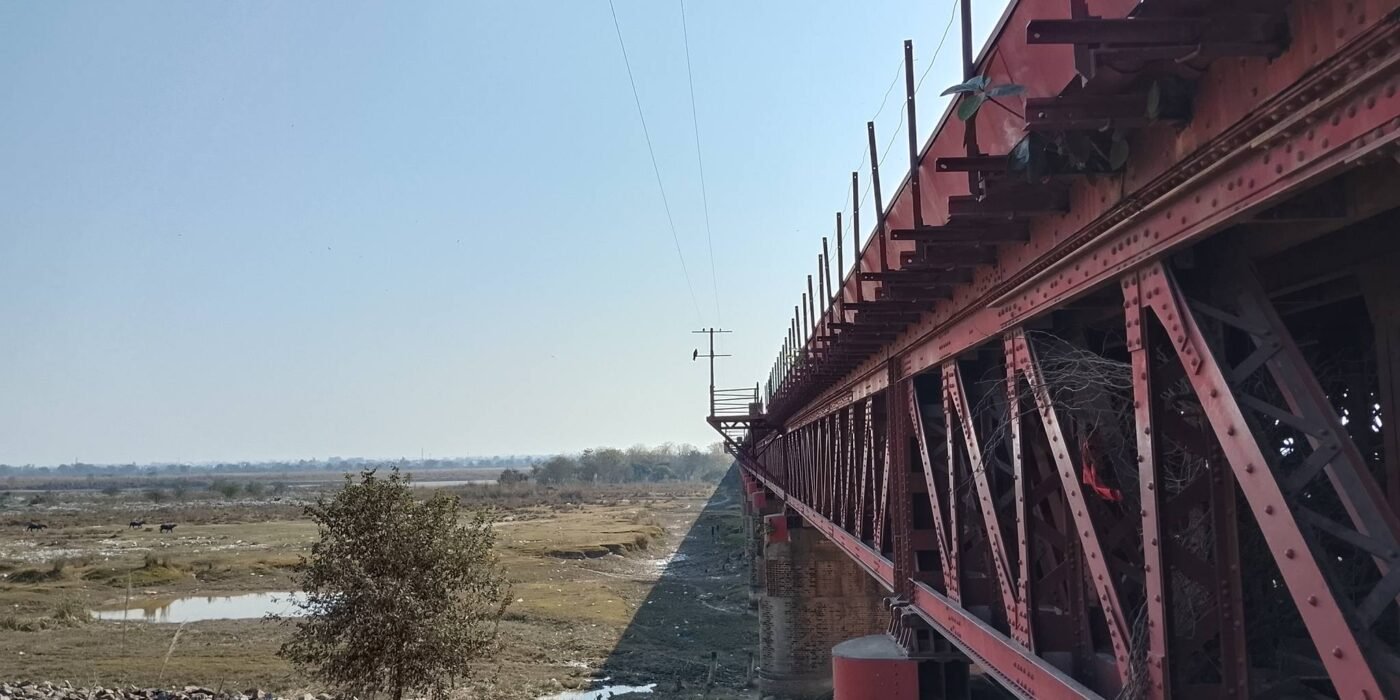
Jhelum River Railway Bridge: A Marvel of British Engineering Standing Tall After 145 Years
Stretching majestically across the mighty Jhelum River, the Jhelum Railway Bridge stands as Pakistan’s longest railway bridge at an impressive 4.2 kilometers. This engineering masterpiece, completed in 1878 during the British colonial era, continues to serve as a vital transportation link and a symbol of enduring craftsmanship. For the people of Jhelum district, this iconic structure represents not just a means of crossing the river, but a testament to human ingenuity and a cherished landmark that has witnessed nearly a century and a half of history.
The bridge’s story begins in an era when the British Empire was rapidly expanding its railway network across the Indian subcontinent, and the Jhelum River presented a formidable challenge to connecting the northern regions of Punjab with the rest of the province. Today, as trains still thunder across its iron trusses and vehicles navigate its roadway, the Jhelum Railway Bridge remains a living piece of history, serving modern Pakistan with the same reliability it provided to British India.
Historical Context and the Need for Connection
The construction of the Jhelum Railway Bridge emerged from the British Empire’s ambitious railway expansion program in the 1870s. The North Western Railway, which later became part of Pakistan Railways, was extending its network to connect remote regions with major commercial centers. The Jhelum River, with its seasonal variations in water level and substantial width, posed a significant engineering challenge that required innovative solutions.
During this period, the British administration recognized the strategic importance of connecting the northern Punjab regions with the main railway network. The bridge would not only facilitate passenger travel but also enable the efficient transport of goods, particularly agricultural products from the fertile plains surrounding Jhelum. The project was part of a larger vision to integrate the diverse regions of British India through modern transportation infrastructure.
Local communities along the Jhelum River had long relied on ferry services and seasonal fords to cross the waterway. The construction of a permanent bridge promised to revolutionize travel and trade in the region, making it possible to maintain consistent connections regardless of weather conditions or seasonal river changes.
Engineering Marvel of the 19th Century
Design and Construction Challenges
The construction of the Jhelum Railway Bridge, completed in 1878, represented cutting-edge engineering for its time. British engineers faced numerous challenges, including the river’s variable flow patterns, the need to accommodate both rail and road traffic, and the requirement to build a structure that could withstand the test of time in a region prone to seismic activity.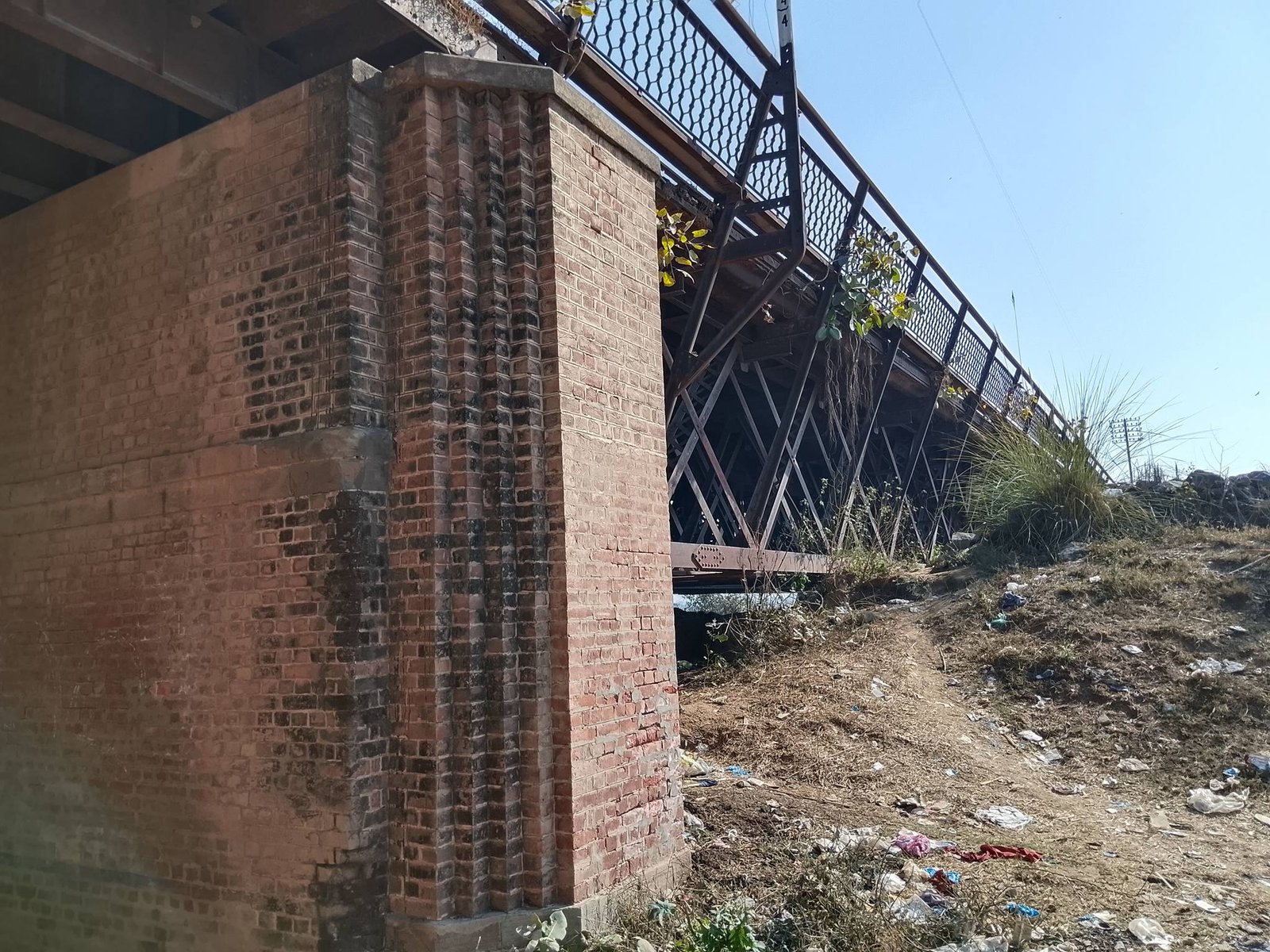
The engineers chose a combination of materials and design elements that reflected the best engineering practices of the Victorian era. The bridge features robust iron trusses that form the primary structural framework, demonstrating the British expertise in ironwork that characterized many infrastructure projects of this period. These trusses were designed to distribute weight evenly and provide the necessary strength to support heavy railway locomotives and carriages.
Concrete Pier Foundation System
One of the most remarkable aspects of the bridge’s construction was the foundation system. The engineers constructed massive concrete piers that extend deep into the riverbed, providing stable support points across the bridge’s 4.2-kilometer span. These piers were built using innovative techniques for the 1870s, including the use of caissons and careful attention to the river’s flow patterns to minimize disruption to the natural water course.
The spacing and design of these concrete piers reflect a deep understanding of both structural engineering and hydraulic principles. Each pier was positioned to optimize load distribution while minimizing interference with river navigation and seasonal flood patterns. The concrete used in construction was of remarkably high quality, contributing to the bridge’s longevity and continued structural integrity.
Iron Truss Engineering Excellence
The iron trusses that form the bridge’s superstructure represent some of the finest examples of 19th-century metallurgical engineering. These trusses were likely manufactured in British foundries and assembled on-site, requiring precise coordination and skilled craftsmanship. The triangular truss design provides exceptional strength-to-weight ratios, allowing the bridge to support heavy loads while minimizing material usage.
Each truss section was carefully calculated to handle specific load requirements, including the weight of locomotives, railway cars, and the additional burden of road traffic. The iron components were connected using riveting techniques that were state-of-the-art for the period, creating joints that have proven remarkably durable over nearly 150 years of service.
Dual-Purpose Infrastructure: Rail and Road Integration
What makes the Jhelum Railway Bridge particularly unique is its dual-purpose design, accommodating both railway and road traffic on a single structure. This innovative approach was relatively uncommon in the 1870s and demonstrated forward-thinking planning by British engineers who anticipated the growing importance of road transportation alongside rail networks.
The bridge features a single railway track running down the center of the structure, with roadways positioned alongside the rail line. This configuration required careful engineering to ensure that the structural loads from both types of traffic could be safely managed. The road surface was designed to handle the horse-drawn vehicles and early motor cars of the era, though it has been adapted over the years to accommodate modern vehicular traffic.
The integration of rail and road functions on a single bridge was economically advantageous, reducing construction costs and minimizing the environmental impact on the river crossing. This design philosophy reflects the practical approach that characterized British colonial engineering projects, where efficiency and multi-functionality were highly valued.
Strategic Importance in Connecting Punjab
The Jhelum Railway Bridge played a crucial role in connecting the northern regions of Punjab with the broader railway network of British India. Before its construction, the Jhelum River served as a significant barrier to efficient transportation, limiting trade and communication between communities on opposite sides of the waterway.
The bridge’s completion transformed the economic landscape of the region. Agricultural products from the fertile districts north of Jhelum could now be transported efficiently to markets in Lahore, Delhi, and other major commercial centers. Similarly, manufactured goods and essential supplies could reach previously isolated communities with unprecedented reliability and speed.
For passengers, the bridge eliminated the uncertainty and inconvenience of river crossings that were dependent on weather conditions and seasonal water levels. Families could maintain connections across the river, and business relationships could flourish without the constraints imposed by natural barriers. The bridge essentially knitted together communities that had been geographically separated for centuries.
Scenic Views and Architectural Beauty
Beyond its functional importance, the Jhelum Railway Bridge offers spectacular views of the surrounding landscape. Passengers crossing the bridge are treated to panoramic vistas of the Jhelum River valley, with its agricultural fields, small villages, and distant hills creating a picturesque backdrop that changes with the seasons.
The bridge itself has become an architectural landmark, with its Victorian-era iron trusses and substantial concrete piers creating an impressive silhouette against the sky. Photography enthusiasts and architecture lovers often visit the area specifically to capture images of this historic structure, which represents a perfect blend of functional engineering and aesthetic appeal.
During sunrise and sunset, the bridge takes on a particularly dramatic appearance, with the iron trusses casting intricate shadows on the water below. The play of light and shadow creates an ever-changing visual spectacle that has inspired countless visitors and local residents alike.
Pakistan Railways: Continuing the Legacy
Since Pakistan’s independence in 1947, Pakistan Railways has maintained and operated the Jhelum Railway Bridge with dedication to preserving this vital piece of transportation infrastructure. The organization recognizes the bridge’s historical significance while ensuring its continued functionality in serving modern transportation needs.
Regular maintenance programs keep the bridge in operational condition, with engineers conducting periodic inspections of the iron trusses, concrete piers, and track systems. These maintenance efforts require specialized expertise, as working with 19th-century engineering systems demands understanding of historical construction techniques and materials.
Pakistan Railways has also implemented modern safety systems and signaling equipment to ensure safe passage of contemporary trains across the historic structure. This blend of historical preservation and modern functionality demonstrates the organization’s commitment to honoring the bridge’s heritage while meeting current operational requirements.
The bridge continues to serve passenger trains connecting northern Punjab with major cities, carrying thousands of travelers annually. Freight trains also use the crossing to transport goods, maintaining the bridge’s role as an economic lifeline for the region.
Cultural and Local Significance
For residents of Jhelum district, the railway bridge represents far more than a transportation facility. It stands as a symbol of connection, progress, and endurance that has shaped the identity of the region for generations. Local stories and folklore often reference the bridge, and it serves as a landmark that helps define the community’s sense of place.
The bridge has witnessed countless personal journeys, family reunions, and life-changing moments as people have crossed it over the decades. Many families have multi-generational connections to the bridge, with grandparents sharing memories of their first train journeys and children continuing to experience the excitement of crossing the mighty Jhelum River on this historic structure.
Local pride in the bridge extends beyond its practical benefits to encompass appreciation for its engineering excellence and historical significance. Community members often serve as informal ambassadors, sharing the bridge’s story with visitors and ensuring that knowledge of its importance is passed down through generations.
A Testament to Enduring Engineering
The Jhelum Railway Bridge stands today as remarkable proof of the quality and durability that characterized the best British colonial engineering projects. After 145 years of continuous service, the structure continues to safely carry modern trains and vehicles, demonstrating the exceptional craftsmanship and materials used in its construction.
This longevity is particularly impressive when considering the challenges the bridge has faced over nearly a century and a half, including seasonal flooding, seismic activity, temperature variations, and the constant stresses of heavy traffic. The fact that the original iron trusses and concrete piers remain structurally sound speaks volumes about the engineering expertise that went into the project.
For modern engineers and construction professionals, the Jhelum Railway Bridge serves as both an inspiration and a benchmark for infrastructure durability. It demonstrates that thoughtful design, quality materials, and skilled craftsmanship can create structures that serve communities faithfully across multiple generations, providing value that far exceeds initial construction investments.
As Pakistan continues to develop its transportation infrastructure, the Jhelum Railway Bridge remains a cherished link between past and present, connecting the engineering wisdom of the Victorian era with the ongoing needs of a modern nation. This magnificent structure will undoubtedly continue to serve future generations, standing as an enduring testament to human ingenuity and the power of well-executed engineering to transform landscapes and lives.
Leave a Reply
You must be logged in to post a comment.